Paratexte der FILMKRITIK (19): LA VIE
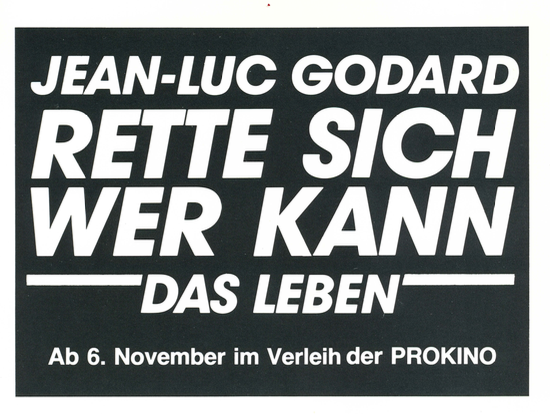
Filmkritik, Nr. 281, Mai 1980, U3.
Filmkritik, Nr. 281, Mai 1980, U3.
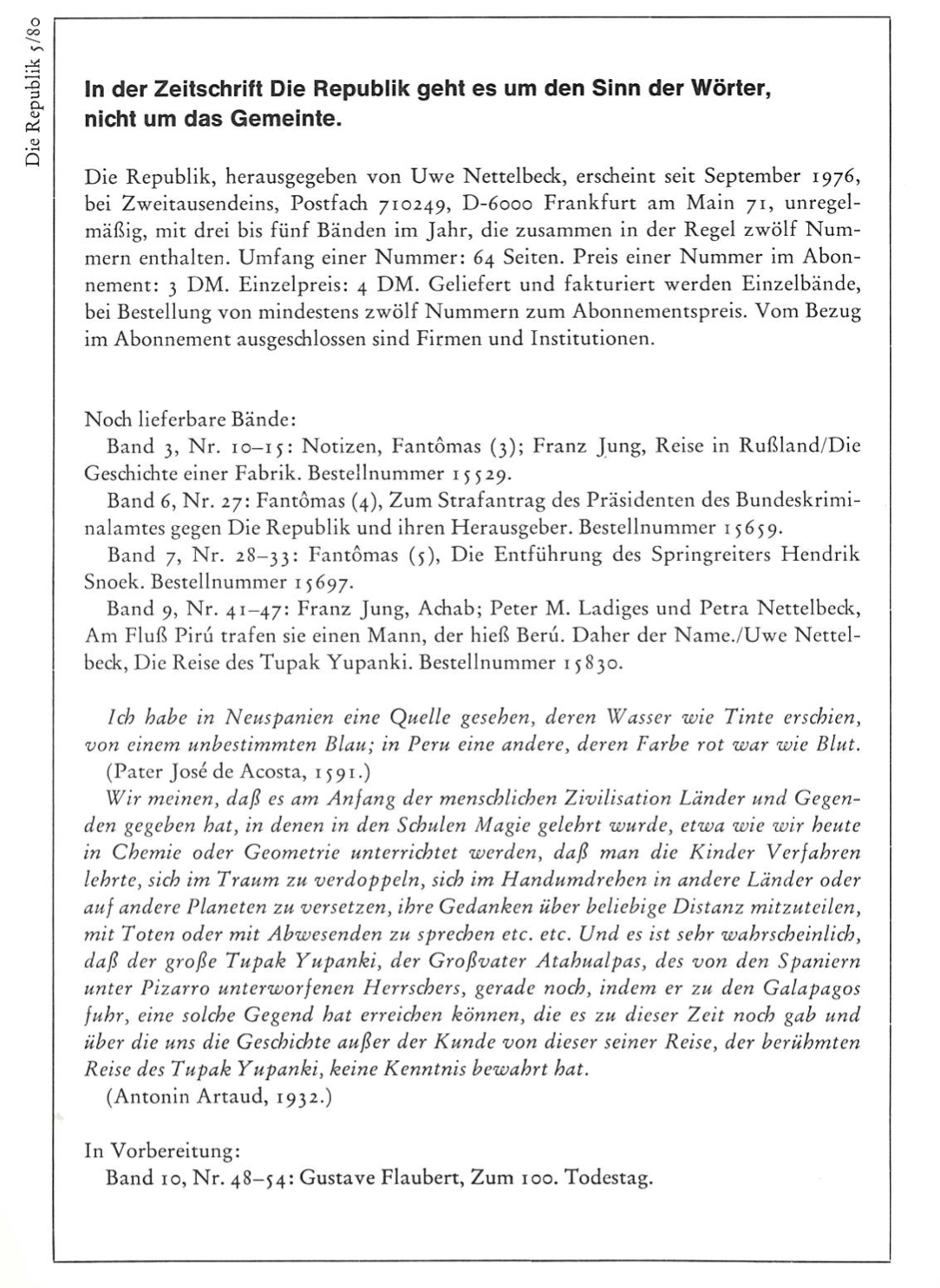
Filmkritik, Nr. 281, Mai 1980, U2.
Die Geschichte von der Romanfigur, die sich fragt, warum sie ausgerechnet im Kino alles verstehen solle, wo sie doch, wenn sie in der Realität herumgehe, auch nur wenig verstehe.
Die Geschichte vom französischen Videotheoretiker, der Mitte der 1970er Jahre eine Arbeitsteilung diagnostizierte, nach der die Japaner die Geräte herstellten, die US-Amerikaner sie kauften, die Kanadier mit ihnen experimentierten und die Franzosen darüber schrieben.
Die Geschichte vom Anrufbeantworter, auf den der Filmemacher (auf Französisch, denn das war seine Muttersprache) gesprochen hatte: „Bitte rufen Sie in zwei Jahren noch einmal an.“
Am 1. November 1984 fand an der DFFB eine Podiumsdiskussion zum Thema „Filmtheorie und Filmgeschichte“ statt, an der Helmut Färber, Ulrich Gregor, Norbert Grob, Gertrud Koch, Hans-Helmut Prinzler und Dominique Villain teilnahmen. Geleitet wurde die Diskussion von Heinz Rathsack.
Drei Auszüge aus den Wortbeiträgen von Helmut Färber:
„Was ein Filmemacher wollte, ist mir völlig gleichgültig und interessiert mich überhaupt nicht. Mich interessiert nur das, was er gemacht hat.
Nun zum Thema, was zu einer Filmtheorie-Ausbildung gehört: ich glaube, daß die Situation, in der wir uns hier im Moment befinden, ein bisschen glücklicher ist, als Sie das offenbar denken. Es ist ja gar nicht so, daß wir mitten in der Wüste Sahara sitzen und die allerersten Leute in der Geschichte der Menschheit sind, die sich Gedanken machen, was es für eine Theorie an dieser Filmschule geben könnte. Es gibt zum Beispiel einen bis ins Letzte ausgearbeiteten Lehrplan für das Studium der Filmregie von Eisenstein, der zum Lesepensum des ersten Studienjahres gehören sollte.“
„Über die eventuelle Geschichtslosigkeit zu reden ist kein Ausweg. Wir reden hier darüber, was möglich ist, was für eine produktive Weise, Filme zu sehen, es gibt. Es reicht nicht aus, einen Film zu sehen und darüber zu reden. Wichtig ist auch zu lesen, was über diesen oder jenen Film geschrieben wurde. Ich kann mir vorstellen, was hier praktiziert werden könnte: Im Zusammenhang mit Filmesehen auch das zur Kenntnis zu nehmen, was jemand über einen Film geschrieben hat. Aber das Wichtigste in so einem Prozeß ist die Kontinuität.“
Wenn ich nicht denken kann, weil ich produzieren muß, kann ich nicht produzieren, weil ich produzieren muß.“
[aus dem Protokoll der Veranstaltung]
Gestern, erfahre ich von Stefan Ripplinger, ist Frederic Rzewski gestorben. Wir sahen und hörten ihn im Frühjahr 2019 im Haus der Berliner Festspiele. Er spielte The People United Will Never Be Defeated. 36 Variationen über „El pueblo unido jamás será vencido“ für Klavier (1975), seinen Kommentar zur Zweihundertjahrfeier der USA – raumgreifend, kämpferisch, widerständig auch gegenüber dem aufdringlichen Gebläse der Saallüftung.
Gerd Conradt hat 1966 den Film Frederic Rzewski isst Spaghetti bei Carlone Via della Luce 5 gedreht und Rzewski in den folgenden Jahren und Jahrzehnten immer wieder getroffen und gefilmt.
Turn your Eyes to the Present von 2015 ist hier auf Conradts YouTube-Kanal zu sehen.
Ebenfalls auf dem Kanal (hier): ein Gespräch zwischen Conradt und Rzewski aus dem Jahr 2020.
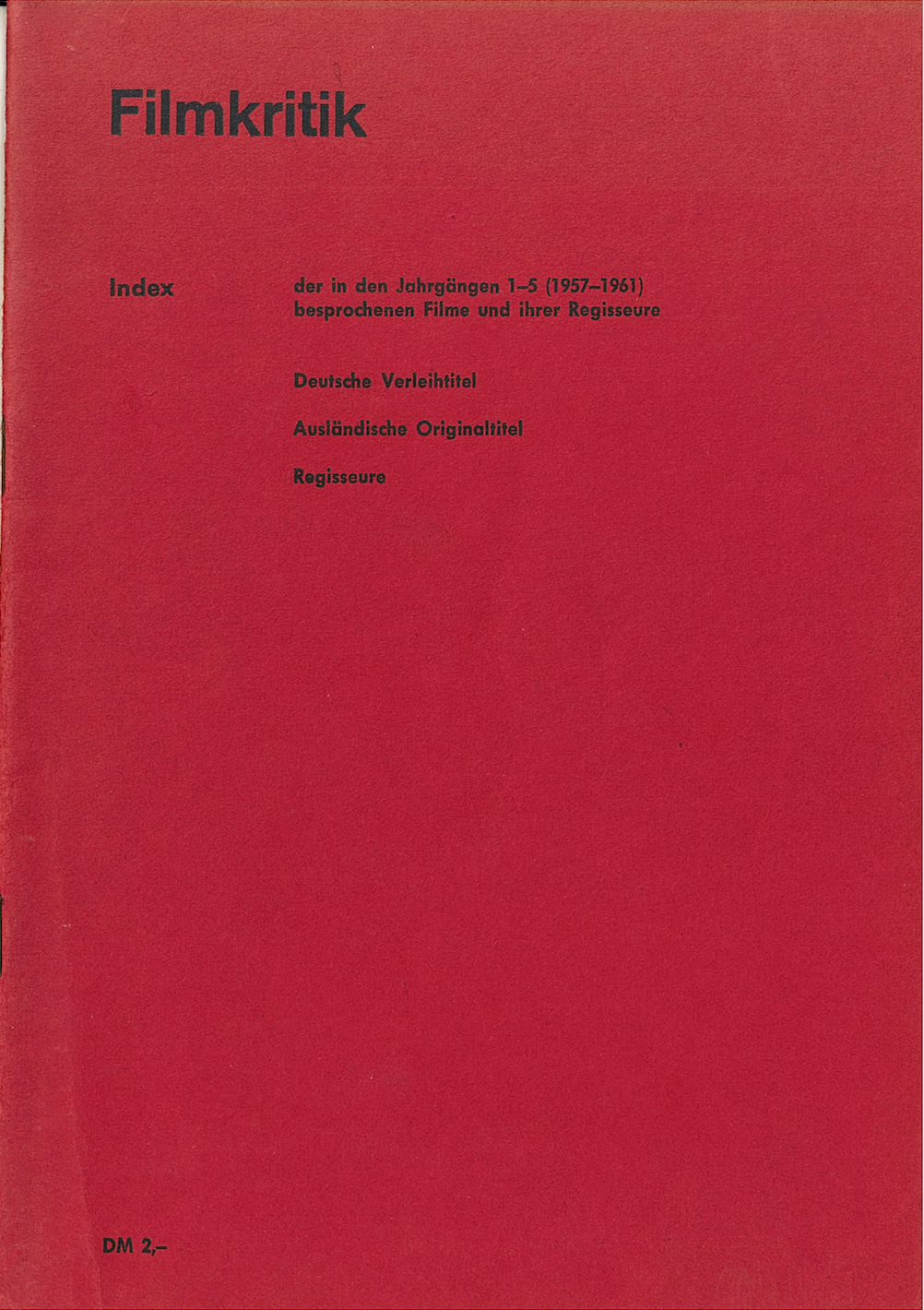
Von Anfang an ist die Filmkritik mit dem Selbstbewusstsein aufgetreten, dass ihre Texte über die Tagesaktualität hinaus relevant sein würden: jahrgangsweise durchgehende Seitenzählung, später Sammelordner und regelmäßig erstellte Register, die aus der Monatszeitschrift ein Kompendium machten, dessen Beiträge nach Filmtiteln und Autorennamen durchsuchbar waren.
Im meines Wissens ersten dieser Register sind die ersten 5 Jahrgänge von 1957 bis 1961 erfasst.
Als PDF findet sich das 32-seitige Heft hier.
Bei dieser Gelegenheit auch erneut der Hinweis auf die späteren Register, die Franz-Josef Knape erstellt hat:
Filmkritik: Register der Jahrgänge 1957–1974 (1975) (pdf)
Filmkritik: Register der Jahrgänge 1975–1984 (2018) (pdf)
Schon seit mehr als drei Jahren auf YouTube zu sehen: Viele Stunden Textprobenarbeit mit Jean-Marie Straub von 2010, gefilmt von Barbara Olszewska.
Die erste Folge hier, dazu dieser erläuternde Text:
STRAUB Un Heritier N°1 by BO
09/02/2010_1 // 16/04/2017
You will find here, week after week, the fragments of my videos and a complete serie of 70 videos about the work of the film-maker Jean-Marie Straub, that I filmed in 2010, several months, hour by hour, trying to conserve the continuity of his work with the actors (Joseph Rottner, Andrea Bacci, Giovana Daddi). I followed the preparation of two of his films : „Un héritier“ after the book of Maurice Barrès and „L’inconsolable“ after the dialogue „Orpheo“ from „Dialogues with Leuco“ of Cesare Pavese (see: http://www.straub-huillet.com/work/un-heritier/ and http://www.straub-huillet.com/work/linconsolable/)
I hope you can learn from these videos about the details of Jean-Marie Straub practice.
I also describe my experience of filming him on my blog-book „Je video“, you can ask me about my papers at : barbaraolszewskawordpress.com
http://wp.me/p7jf6g-8m
or by email : barbara2olszewska@gmail.com
[die Links zur Website scheinen nicht zu funktionieren; der YouTube-Kanal enthält auch sonst viele interessante Dokumente]