Radio
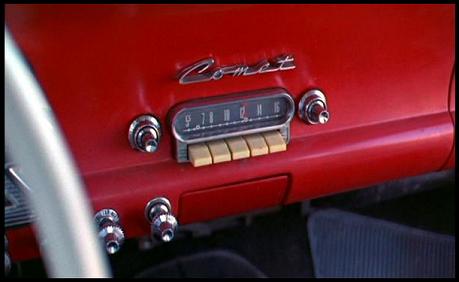
heute WDR 3 23:05 und morgen 1live „Minutentexte“ Night of the Hunter.
Von Volker Pantenburg und Michael Baute
heute WDR 3 23:05 und morgen 1live „Minutentexte“ Night of the Hunter.
Von Volker Pantenburg und Michael Baute
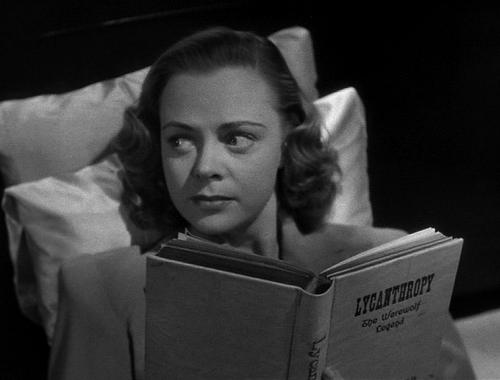
June Lockhart – She-Wolf of London – Jean Yarbrough – 1946
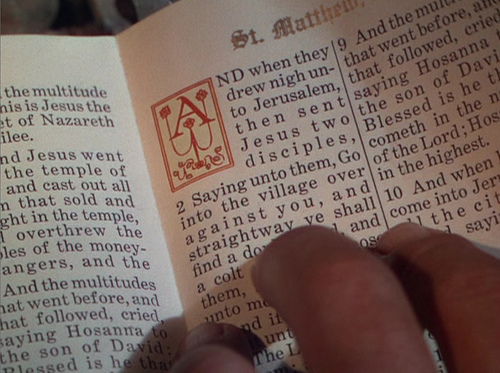
Three Godfathers – John Ford – 1948
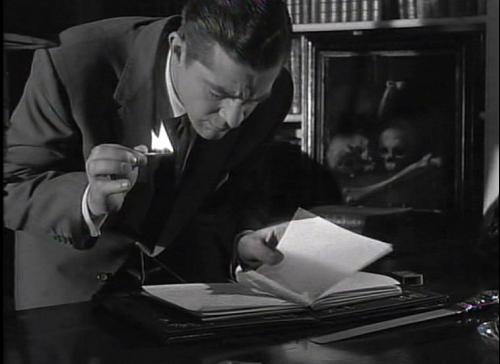
Dana Andrews – Night of the Demon – Jacques Tourneur – 1957
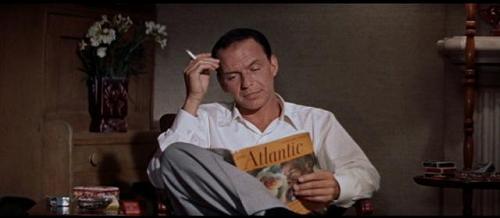
Frank Sinatra – Some Came Running – Vincente Minnelli – 1958
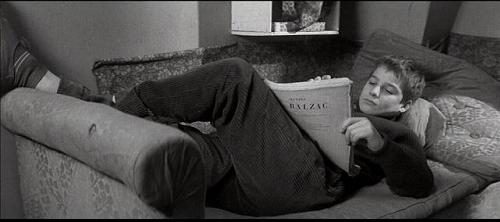
Jean Pierre Leaud – Les quatre cents coups – Francois Truffaut – 1959
Marnie – Alfred Hitchcock – 1964
Robert de Niro – Hi Mom – Brian de Palma – 1970
Tatum O’Neal – Paper Moon – Peter Bogdanovich – 1973
La Fine dell’innocenza – Massimo Dallamano – 1976
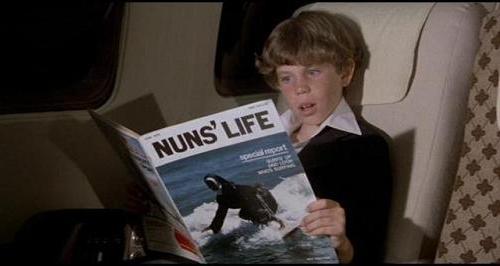
Airplane! – David Zucker & Jim Abrahams & Jerry Zucker – 1980
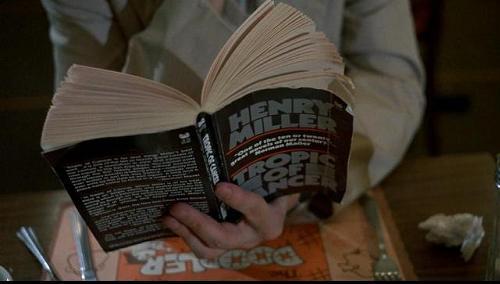
After Hours – Martin Scorsese – 1984
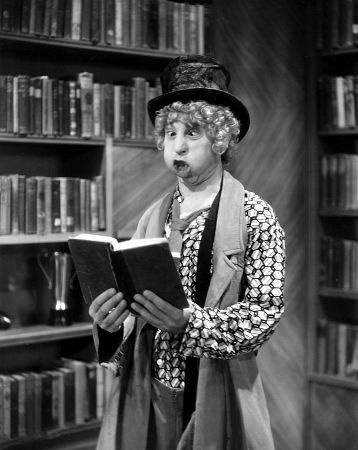
Harpo Marx – Horse Feathers – Norman Z. McLeod – 1932
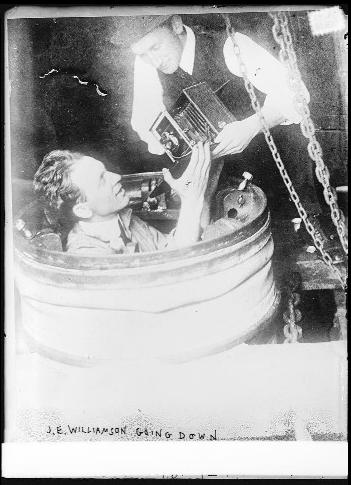
Die Erfindung seines Vaters, eine akkordeonartige flexible Röhre für Schiffsreparaturen und Bergungsarbeiten auf See, nutzte der Sohn erstmals 1912 zum Zwecke der Meersfotografie – und ab 1914 für die Filmproduktion.
Der Unterwasserfilmpionier John Ernest Williamson (1881-1966) versorgte Universal (Twenty Thousand Leagues under the Sea, 1916) und MGM (The Mysterious Island, 1926-29) mit Szenen an Originalschauplätzen. Den großen Naturkundemuseen in Chikago und New York verschaffte er Material zur Anschauung.
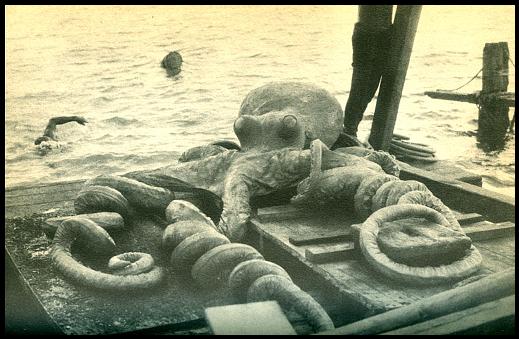
Die meisten seiner Filme sind verschollen. In Wonders of the Sea machte er sich 1922 „vor den Bahamas auf die Suche nach einem Seemonster. Ein Dokumentarfilm mit sichtlich für die Kamera gespielten Szenen, teils heiter, teils aufregend (Attacken von Oktopus und Hai), mithin: das genredefinierende Film-Meeresabenteuer.“ (Christoph Huber)
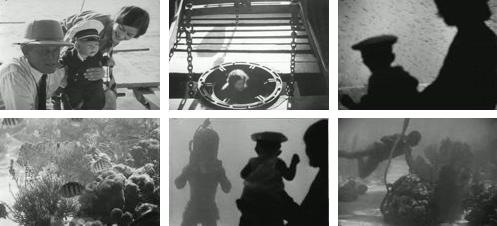
In Under the Sea (1929) steigt Williamson mit Frau und Baby in die Tiefseeröhre hinab, während einheimische Fischer für das Field-Museum baumgroße schneeweiße Korallen an Land schaffen. Mit vereinten Kräften wird am Ende ein lebendiger Hai auf den Strand gezerrt, getötet und in Gips abgedruckt. Ein traumhafter Film über Arbeit und Tod.
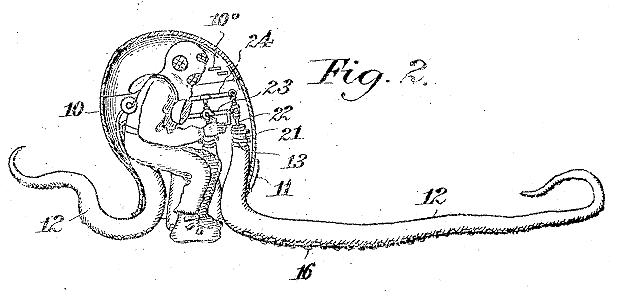
1917 hat Williamson ein bemerkenswertes Patent angemeldet: „zur künstlichen Herstellung lebensechter Bewegungen unbelebter Objekte“, insbesondere zur Simulation der Bewegungen von Unterwasserkreaturen. Er hatte rausgefunden, wie deren Unberechenbarkeit mechanisch erzeugt werden kann – „for theatrical or other purposes“.
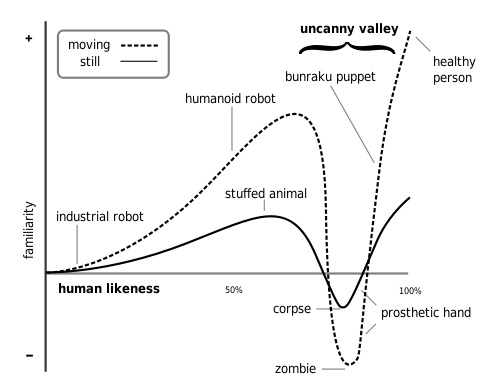
„Though Cameron wanted the characters, particularly Neytiri, to be sexy, he didn’t have to worry too much about the ‚uncanny valley’—a phenomenon where audiences recoil from images that come too close to reality without actually achieving it. […] If anything, Cameron’s problem was that the digital technology could make the images too pristine, stripping out the texture we expect from film. To give the movie soul, he sought to preserve the imperfections such as diffusion, blur, and lens flare.“ *
“ ‚When you look at the history of film, there have been to date two great revolutions—sound and color,‘ Jeffrey Katzenberg, the head of Dreamworks Animation and a tireless promoter of 3-D, told me. ‚This will be the third great revolution. People are still somewhat skeptical and wonder if it’s a gimmick and if it is better suited to cartoons. I don’t believe that for a second. I think the day after Jim Cameron’s movie comes out, it’s a new world.‘ Michael Lewis, the C.E.O. of RealD, the leading 3-D projection company, says, ‚The industry is looking for its Citizen Kane, its definitive work of 3-D, and Avatar may be that film.‘ “ *
Ride needed to States Borough, call Willie
Ride needed to Kansas City, call Jerry or Mike
Ride needed to San Francisco, call Tony
Ride needed to Ferrydale, Louisiana, call Jerry Lee
Ride needed to Hibbing, Minnesota, call Bob
Ride needed to Woodstock, call Van
Ride needed to Belfast, call Van
Ride needed to Caledonia, call Van
Ride needed to Georgia, call Jimmy or Ray
Ride needed to Los Angeles, call Randy
Ride needed to Mendocino, call Dug
Ride needed to Chicago, California, call Robert
Ride needed to New York, New York, call Frank
Ride needed to El Paso, call Marty
Ride needed to Las Vegas, call Elvis
My spirit left my body while I slept and took a seat in a small café overlooking the river
And in a small café overlooking the river, my spirit relaxed and drank a cappuccino and then another
And my spirit borrowed a cigarette and smoked it and watched it disappear
And my spirit rose
And on it’s way out, paused before the ride board
And reading it, my spirit was moved and fell to it’s knees and wept
And sang of the ride board it’s praises in a loud voice
[The Colorblind James Experience: A „ride board“ is a bulletin board at a college or meeting place for young people where one can post signs of „ride needed to ‚X.'“ If you happened to be driving that way, here was a person able to share expenses. I didn’t have a car for much of my early college years, and the ride board was an important resource for me. Nowadays, everyone’s got a car and you don’t see them much anymore. The cafe referred to in the song was the Lowlife Cafe of Oswego NY. It was gone by the time I joined the band, but Chuck spoke of it often. I think both Phil and Ken probably remember it from their Oswego days as well. The names and cities in the song are significant.]
* Johannes Beringer: Fragmentarisches. Zu Günter Peter Straschek
Die Geschichte vom eloquenten Experimentalfilmer, der, angesprochen auf seine beeindruckenden Vorträge und Aufsätze, entgegnete, dass ihm das öffentliche Sprechen so leicht falle wie das Schneiden von Butter, während das Schreiben ihm vorkomme, als habe er zwar dasselbe Messer, aber statt Butter Marmor vor sich.
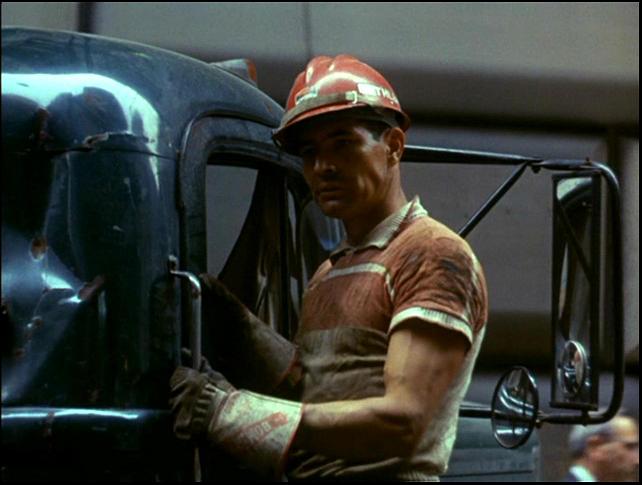
Harold McComber in HIGH STEEL von Don Owen, 1965,
Musik: Bruce Mackay, Kamera: John Spotton, Farbe, 13 Minuten.
Ein anderer Film von Don Owen (und Donald Brittain) aus dem selben Jahr (ebenfalls in vorzüglicher Qualität auf der Webseite des National Film Board of Canada) portraitiert den kanadischen Werner Enke, Ladies and Gentleman… Mr. Leonard Cohen. [via Quixotando]